

Used Titanium Electrodes
In electrochemical industries (such as chlor-alkali electrolysis and wastewater treatment), titanium anodes are exposed to highly corrosive environments for extended periods, causing their surface coatings to gradually wear away and eventually become waste. Indiscriminate disposal of these waste titanium electrodes can lead to heavy metal pollution through soil and water. PZ actively practices the concept of a green circular economy, recycling waste titanium electrodes from the global market.
- Instant quotation, same-day payment
- Complete global procurement chain
- Support global logistics and transportation
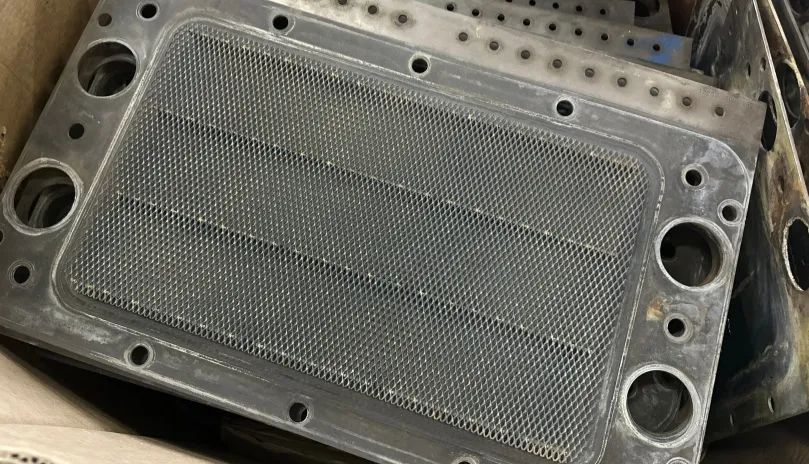
What Types of Used Titanium Electrodes Do We Recycle?
Used titanium electrodes recycling is a necessary measure to balance environmental protection, resource scarcity and economic benefits. We primarily recycle coated titanium anodes from the chlor-alkali industry, PCB electroplating, chemical electrolysis, and wastewater treatment industries etc. Please see the following:
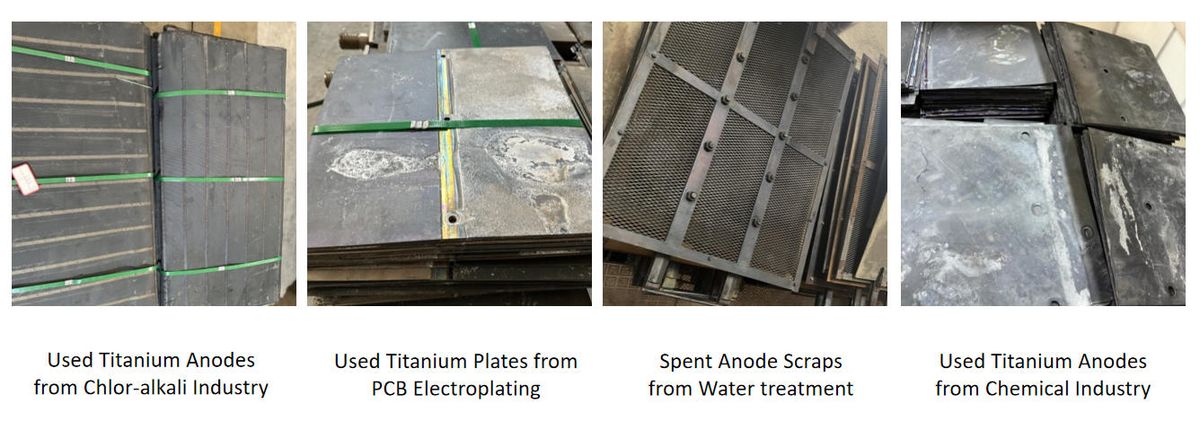
What's the Types of Titanium Electrodes?
Understanding the classification of titanium electrodes is crucial for finding high-value waste. The following summarizes common titanium electrode types, their key characteristics, and recycling value points, helping you quickly determine the value of the waste you have.
| Category | Main Ingredients | Typical Forms and Characteristics | Main Application | Types of Precious Metals |
| Ruthenium-coated titanium electrodes | Ruthenium oxide (RuO₂), often mixed with iridium oxide (IrO₂) |
Plates or meshes, sheet; black |
Chlor-alkali industry, sodium hypochlorite production, seawater electrolysis |
Ruthenium, Iridium |
| Iridium-coated titanium electrodes | Iridium oxide (IrO₂), often mixed with tantalum oxide (Ta₂O₅). |
Meshes, plates, tubes, rods; black |
Organic synthesis, non-ferrous metal extraction, cathodic protection | Iridium, Tantalum |
| Platinum-coated titanium electrodes | Pure platinum (Pt) |
Meshes or plates; silvery-white surface, coating thickness 0.5-5μm. |
Alkaline water electrolysis, certain specific electrochemical processes | Platinum |
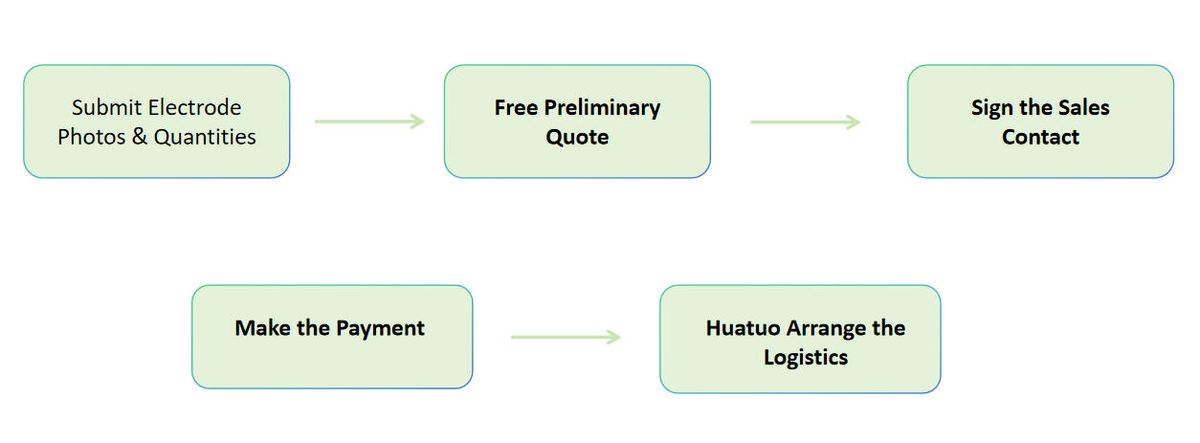
What's Our Professional Cooperation Process?
PZ supports global door-to-door recycling of used titanium electrodes scraps and free testing of scrap content, maximizing the value of your scrap.
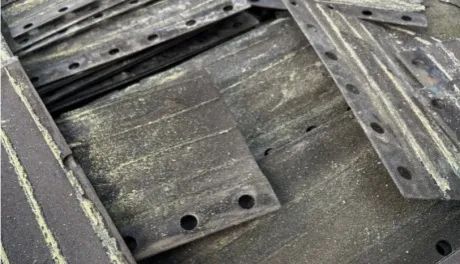
Recycled Scraps
Iridium Recycling
Professional iridium recycling services by PZ. We offer global solutions for precious metal scrap. Certified processes, competitive pricing, and fast response. Contact us today.
View More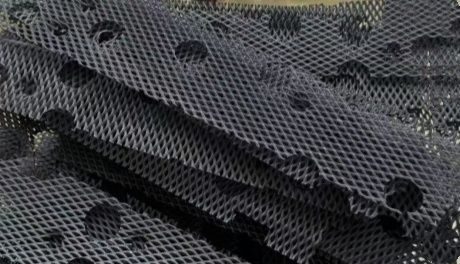
Ruthenium Recycling
Professional ruthenium recycling services by PZ. We offer global recycling solutions for precious metal scrap. Quick quotation and payment, contact us now.
View More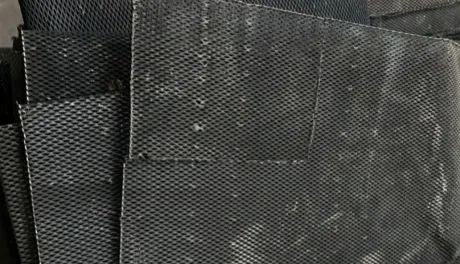
Titanium Recycling
PZ has been recycling titanium scraps for more than ten years. We are titanium scrap recycling specialists. We can provide global door-to-door waste recycling and related…
View More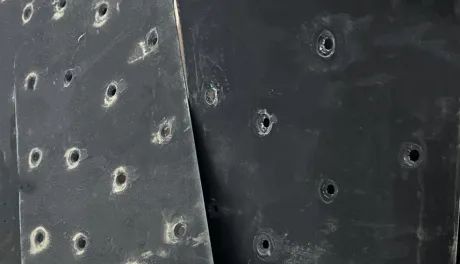
Nickel Recycling
We purchase and recycle nickel scrap worldwide and respond quickly. You just call anytime and our experts will come to you shortly, saving you worry and effort.
View More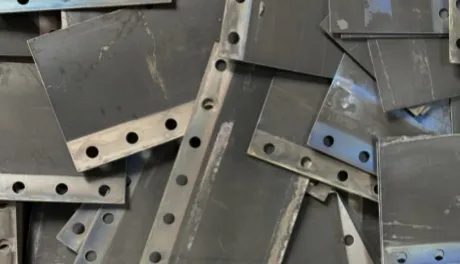
Industrial Waste Recycling
Recycling industrial waste titanium anodes & nickel from global market. Get top price with On-site XRF testing & FOB logistics. Contact us today.
View More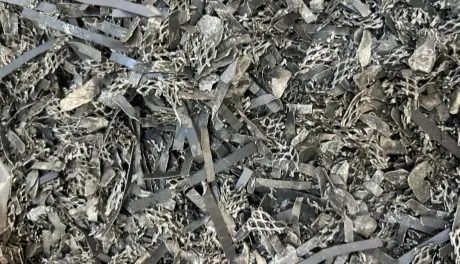
Precious Metal Recycling & Recovery
We actively purchase ruthenium, iridium, rhodium, platinum, palladium, Gold, silver, titanium, nickel and catalytic converter scrap worldwide. Get instant quote.
View More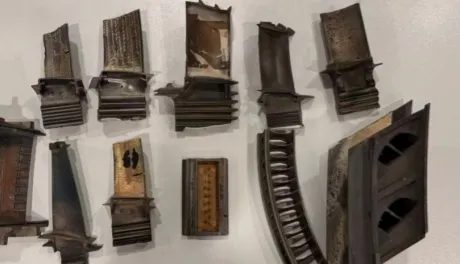
Engine Turbine Blades
Recycling platinum & iridium from aircraft engine turbine blades. Secure, confidential process with swift payments. We handle global logistics. Contact us now.
View More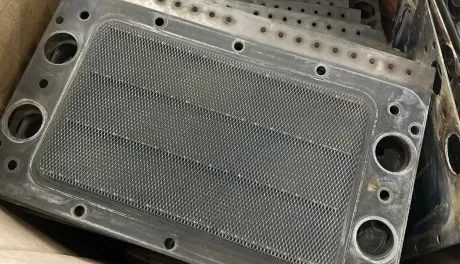
Used Titanium Electrodes
Sell your used titanium electrodes (DSA/MMO Anodes) to PZ. We purchase Ruthenium & Iridium coatings from chlor-alkali, PCB & chemical plants.Get top price with free assaying…
View MoreDon't Scrap the Value with the Titanium Electrodes
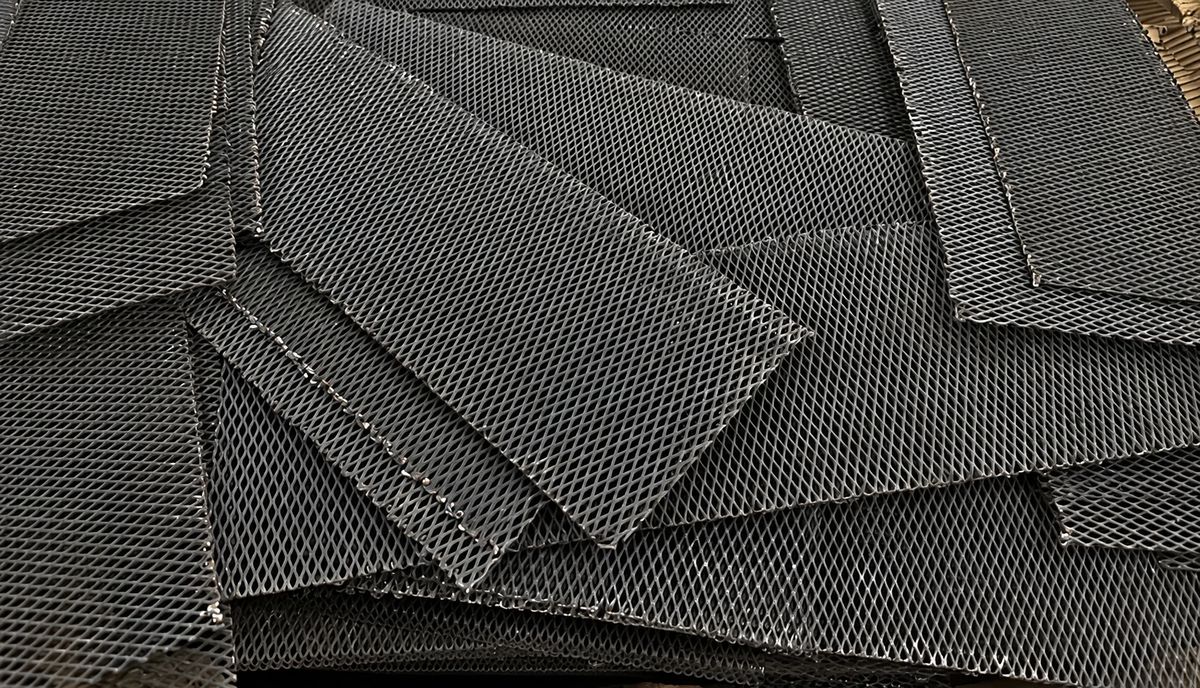
Treating discarded titanium electrodes as ordinary titanium scrap results in the loss of the significant value of their precious metal coatings.
PZ offers professional solutions, precisely testing the ruthenium, iridium, and platinum content in the coatings to provide returns far exceeding the value of the scrap itself. Contact us today.
What factors Affect the Recycling Price of the Used Titanium Electrode?
The price of used titanium electrode scrap is a function of precious metal value, technological process, policy environment, and market supply and demand. The scarcity of strategic metals such as rhenium is particularly critical. It mainly contains the following:


Raw material costs


The condition of spent titanium electrodes


The Precious metals market price fluctuations


Industry supply and demand
Maximize Return from Your Used Titanium Electrodes
We are Global Buyers of Spent DSA/MMO Anodes Scraps from Chlor-Alkali, PCB & Chemical Plants. Recover Hidden Value in Ruthenium & Iridium Coatings.
Email Photos for QuoteWhere to Find of Used Titanium Electrodes?
Used titanium electrode mainly comes from the chlor-alkali industry, electroplating industry, seawater desalination industry, sewage treatment plants, chemical plants, metal smelting and refining industry etc. Inquiry our experts.
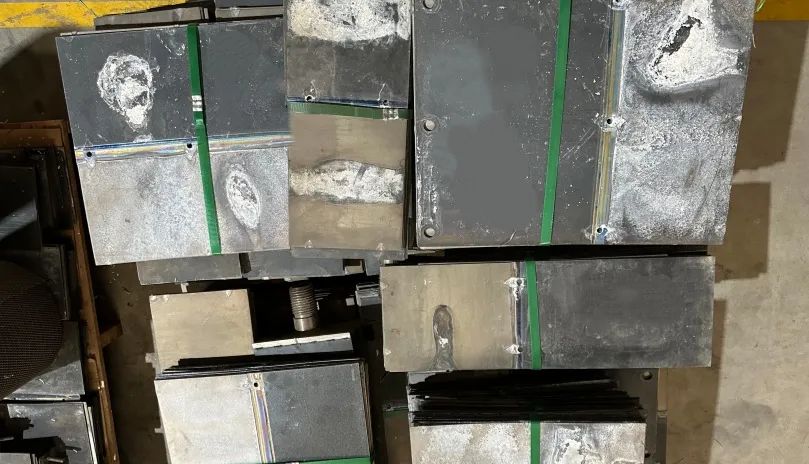
Used Titanium Anodes from Retired Ships
The ship's steel structure serves as the cathode, but some systems use a reference electrode (such as a siver/silver chloride electrode or a high-purity zino electrode) to monitor the potential, rather than an independent cathode meshes.
Explore MoreGlobal Recycling of Used Titanium Electrodes—Payment & Shipping Terms
PZ makes scrap metal recycling simple, efficient and safe, while protecting the balance of the environment and promoting the deepening of the circular economy in the industrial field.
Quotation: When we receive an inquiry, we will quote you within 12 hours, ensuring fast and accurate quotes.
Payment Terms: After signing the sales contract, payment will be made on the same day. It can be will be negotiated.
Shipping Terms: We can absorb the freight of shipments. Usually FOB. It also can be negotiated.
Why Choose PZ Precious Metals
From spent titanium electrode scraps collection, transportation to processing and recycling, we provide one-stop service, saving you time and effort.


Technical Support
Provide professional metal detection and classification technology to ensure recycling quality.


Efficient Logistics
Equipped with a professional logistics team to quickly complete waste transportation.


Swift payment
Instant quotes, same-day payment, speeding up the transaction process.


Professional Team
Professional electrolyzer recycling team makes recycling safer, simpler and more efficient.
Get a Quote
Your metal scrap can become a sustainable resource that supports industrial progress.